
If you have ever wondered what is dropshipping for beginners, you are in good company. Every month, thousands of people search for a way to sell products online without renting a warehouse or buying boxes of stock first. Dropshipping promises exactly that, and the promise is real — but only half the story. The other half is slower shipping, thin margins, and customers who blame you when a supplier gets it wrong. That is why a straight answer to what is dropshipping for beginners has to cover the costs and the risks, not just the idea.
I wrote this guide the way I wish someone had explained it to me: plainly, with real numbers, and without the hype. By the end, you will know what is dropshipping for beginners in practical terms, what it costs to start, how much you can honestly expect to earn, and the seven steps that take you from idea to first order. If you only read one section, read the costs and margins parts — that is where most beginners get their first surprise, and where a clear answer to what is dropshipping for beginners saves you the most money.
Table of Contents
What Is Dropshipping for Beginners, in Plain English?
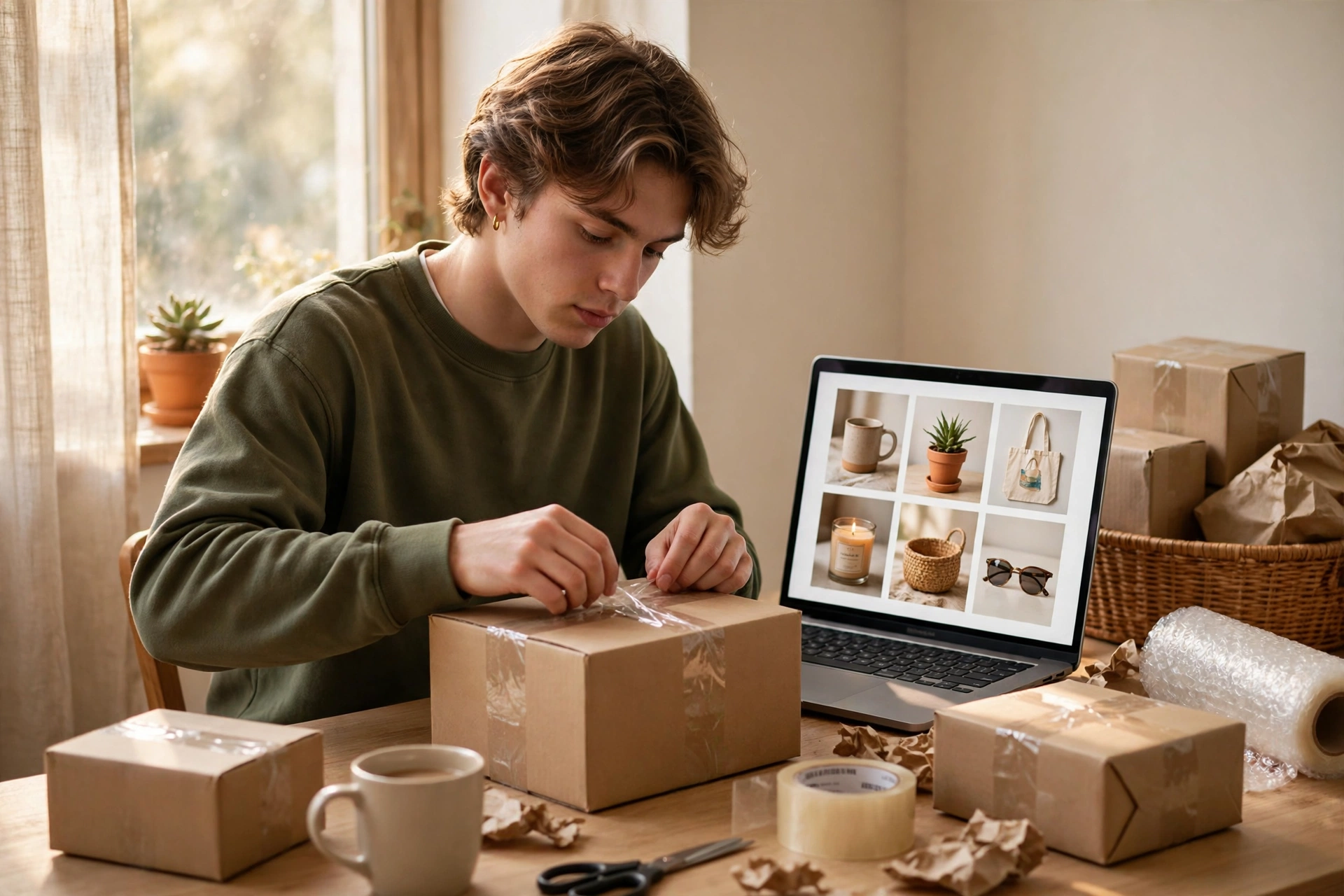
So, what is dropshipping for beginners, stripped of the jargon? Dropshipping is a way of selling products online without ever holding inventory. You list a product in your online store at a price you choose. A customer buys it and pays you. You then forward that order to a supplier — usually a wholesaler or a manufacturer — pay them their price, and they ship the product straight to your customer. You never touch the box.
Your profit is the gap between the price your customer pays and everything it cost you to make that sale: the supplier’s price, shipping, payment fees, and whatever you spent on advertising. That gap is usually smaller than the gurus admit, which is why the maths matters more than the motivation. Once you see the maths, what is dropshipping for beginners becomes a much more practical question: can you buy customers for less than your margin on each order?
Here is a quick example. You sell a kitchen gadget for $39.99. Your supplier charges $16, including shipping. That leaves $23.99 before fees. Payment processing takes about $1.50, and if you spent $12 on ads to win that customer, your real profit is closer to $10. Still a profit — but a very different picture from the “$24 per sale” headline.
One thing that surprises most newcomers is how much of the job is not about products at all. When you understand what is dropshipping for beginners really involves, you see the split clearly: the supplier handles stock, packing, and shipping, while you handle the storefront, the marketing, and the customer. If a parcel arrives late or damaged, the customer complains to you, not to the warehouse in another country. That responsibility is the price of the low startup cost.
How Dropshipping Works, Step by Step
The order flow is simple, and it helps to picture it as five moves. Memorise this flow, because almost every question about what is dropshipping for beginners comes back to one of these five moves.
- You pick a product and list it in your store with your own photos and description.
- A customer finds it, places an order, and pays you the retail price.
- You forward the order to your supplier and pay the wholesale price.
- The supplier packs the item and ships it directly to your customer, often with your branding.
- You keep the difference, minus fees and ad spend.
Most of this can be partly automated. Apps connect your store to suppliers so orders flow across without you copying addresses by hand, but automation does not remove the thinking: choosing the product, setting the price, and answering the customer are still yours.
A useful habit from day one is to order a sample of anything you plan to sell seriously. A $20 sample can save you from listing a product that looks great in photos and feels cheap in real life. Your first ten customers will judge your whole store by that one item. It is also the fastest way to learn what is dropshipping for beginners feels like in practice, because you experience the same delivery time and packaging your customers will.
The Real Costs of Starting
One of the most common questions behind what is dropshipping for beginners is how much money it actually takes. The honest answer is that you can open a store for very little, but you cannot test products properly for nothing. People who ask what is dropshipping for beginners usually expect a single number, and the table below is the closest thing to one.
A realistic starter budget looks like this:
| Cost | Typical range |
|---|---|
| Domain name | $10–$15 per year |
| Store subscription (e.g. Shopify basic plan) | $29–$39 per month |
| Product samples | $30–$100 one-off |
| First ad tests | $100–$300 |
| Apps and tools | $0–$50 per month |
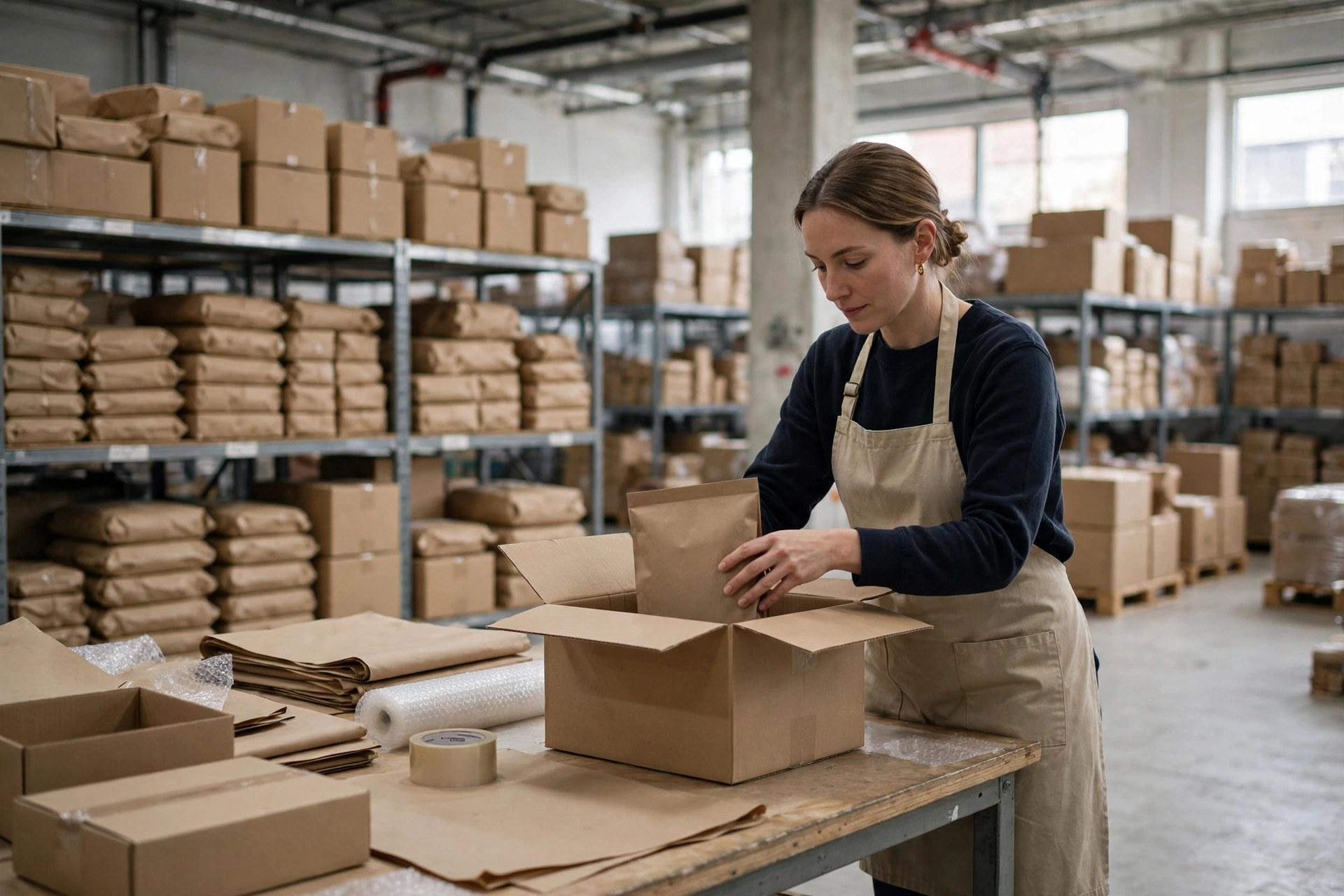
All told, most beginners should expect $200 to $500 to get a store live and test their first product properly. Anyone telling you the whole business costs $0 is selling a fantasy. The stock is free, but attention is not: you either pay for ads or pay with months of slow, unpaid content work. Add it up and the picture is clear: what is dropshipping for beginners costs is mostly testing money, and testing money is money you should be prepared to lose while you learn.
That is still far cheaper than traditional retail, where a first inventory order alone can run into thousands. The low cost is the genuine advantage of dropshipping. It lets you test an idea, learn what customers actually want, and walk away from a dud product having lost tens of dollars instead of thousands. Keep that in mind whenever someone selling a course tells you what is dropshipping for beginners costs: the real budget is the testing budget, not the store subscription.
How Much Money Can You Realistically Make?
Margins in dropshipping are famously thin. Most beginner stores land somewhere between 10% and 20% net margin once all costs are counted. On a $40 product, that is $4 to $8 of real profit per order. To make $1,000 a month at $6 per order, you need about 167 orders — roughly five or six a day, every day. This is the number most introductions to what is dropshipping for beginners skip, and it is the number that decides whether the model fits your goals.
That maths points to three rules that separate stores that survive from stores that quietly close:
- Sell products priced between $25 and $80. Below $25, there is rarely enough margin left after ads. Above $80, customers hesitate to buy from an unknown store.
- Aim to sell at 2.5 to 4 times the supplier cost, including shipping. A product that costs you $12 delivered should sell for $30 to $48.
- Count the ad cost per sale, not the ad cost per click. A product with a 60% markup still loses money if each sale costs $18 in advertising.
These three rules are the practical core of what is dropshipping for beginners — everything else is optimisation.
The global dropshipping market was valued at roughly $366 billion in 2025 and is projected to pass $1.25 trillion by 2030, according to Grand View Research. The market is growing, but so is the competition. Growth in the market does not guarantee growth in your store — your niche, your supplier, and your pricing do that. Remember that whenever a headline about what is dropshipping for beginners makes the opportunity sound automatic: a growing market rewards good stores, not every store.
7 Steps to Start Your First Dropshipping Store
Here is the part most guides rush past: the actual sequence. Follow it in order and you avoid the classic beginner trap of buying ads for a store that is not ready to take money. Each step below answers a different piece of what is dropshipping for beginners, from choosing the niche to keeping the first customers happy.
Step 1: Pick one niche, not ten products
A niche is the audience your store serves — pet owners, home gym users, new parents. Beginners do better with one clear audience because every product, ad, and message speaks to the same person. A general store selling phone cases next to dog toys next to LED lights forces you to learn three markets at once.
Good beginner niches usually have three traits: customers who buy more than once, products that are hard to find in a local shop, and a problem you can explain in one sentence. This is the first real decision in what is dropshipping for beginners, and it is worth a full evening of thought rather than ten rushed minutes.
Step 2: Validate the product before you fall in love with it
Check that real people are already buying something like it. Look at reviews on marketplaces, search volume, and how many stores already sell it. Some competition is a good sign — it means demand exists. Zero competition usually means zero demand, not a hidden goldmine. When you research this way, what is dropshipping for beginners stops being a theory and becomes a short list of products real people already buy.
Step 3: Find a supplier you can trust
Your supplier is your business partner, even though you may never meet them. Look for clear shipping times, tracking on every order, and responsive messages. Suppliers based in the US or EU usually ship faster than overseas ones, which matters because a 21-day delivery is the fastest way to earn a refund request. Platforms such as Spocket list vetted suppliers, and their beginner guide is a solid place to compare options.
Step 4: Build a simple store
You need a clean homepage, honest product pages, a shipping policy, a returns policy, and a contact page. That is it. Beginners often spend three weeks perfecting a logo while their store has no refund policy. Customers do not buy logos; they buy confidence. A store that answers “when will it arrive?” and “what if I don’t like it?” on the page itself will outsell a prettier store that hides those answers. Store setup is the quiet, unglamorous half of what is dropshipping for beginners, and it is where trust is actually built.
Step 5: Price for profit, not for sales
Work backwards from the margin you need. If the supplier cost including shipping is $14, payment fees are about $1.50, and you expect ads to cost $10 per sale, a $25 price leaves you almost nothing. Price at $39.99 instead and the same sale earns real money. Cheap prices attract bargain hunters who complain most and return most.
Step 6: Start with one marketing channel
Pick one channel — TikTok, Facebook ads, or search content — and learn it properly. Running a little money on three channels teaches you nothing about any of them. Set a test budget per product, often around $30, and judge the product on real orders, not on likes. That discipline is the part of what is dropshipping for beginners that most courses skip, because patience does not sell.
Step 7: Treat the first customers like gold
Answer messages fast, be honest about delivery times, and fix problems before they become disputes. Your first ten reviews shape your store’s reputation far more than your first hundred visitors do. A customer who had a problem solved quickly often becomes a repeat buyer; a customer who was ignored becomes a one-star review.
Common Mistakes Beginners Make
Most dropshipping stores do not fail because the model is broken. They fail on avoidable mistakes, and knowing them in advance is half the battle. This is where a clear answer to what is dropshipping for beginners pays off, because each mistake below comes from misunderstanding one part of the model. Read the list once before you launch, then read it again after your first ten orders — the second reading lands differently.
First, copying supplier photos and descriptions word for word. Your store then looks identical to a hundred others, and search engines have no reason to show yours. Rewrite descriptions in your own words and explain who the product is for.
Second, hiding shipping times. If delivery takes 15 days and your store promises “fast shipping”, the refund emails will arrive before the parcels do. State the real timeframe on the product page. Honesty about delivery is not optional in what is dropshipping for beginners — it is the whole reputation of the store.
Third, adding fifty products on day one. A thin catalogue of five well-chosen products, each with a proper description, beats a warehouse of copied listings. Depth beats breadth when you are learning.
Fourth, spending the whole budget on ads before the store is ready. Fix the product pages, the policies, and the checkout first. Ads only multiply what is already there — including the problems.
Is Dropshipping Still Worth It in 2026?
The honest answer is that the easy-money era is over, but the model is not dead. Generic dropshipping — find a trending gadget, run cheap ads, profit — has been squeezed by rising ad costs, slow shipping, and buyers who have seen the same product on five stores already.
What still works is the boring version: a focused niche, a reliable supplier, honest delivery times, and products you have actually held in your hands. That version grows slowly. It will not make you rich in a month, and anyone promising that is selling a course, not a business. That is the realistic ending to the question of what is dropshipping for beginners in 2026: a real business with a low entry cost, not a shortcut.
So, is it worth trying? If you have $200 to $500 you can afford to lose while learning, a few hours a week, and the patience to test products properly, yes — it remains one of the lowest-risk ways to learn online business. If you need rent money next month, no. Start with something that pays faster, like freelancing, and come back to dropshipping when you can afford to learn.
If freelancing sounds like the quicker path, our guide on how to start freelancing for beginners walks through finding your first clients without any upfront stock or store. Either way, the lesson from what is dropshipping for beginners stays the same: start small, test honestly, and let the numbers decide.

Frequently Asked Questions
Is dropshipping legal?
Yes. Dropshipping is legal in the United States, Canada, the UK, Australia, and most of Europe, as long as you run it like a legitimate retail business: registered where your country requires it, honest advertising, real refund policies, and taxes handled properly. Rules vary by country, so check your local requirements before your first sale.
How much money do I need to start dropshipping?
Most beginners need $200 to $500: a domain, a store subscription, a few product samples, and a small ad test budget. You can open the store itself for under $50, but testing a product properly — the part that actually teaches you what sells — takes real ad spend. That is the practical side of what is dropshipping for beginners: the store is cheap, the learning is what costs money.
Do I need experience to start dropshipping?
No. You need a structured approach more than experience: one niche, one validated product, one reliable supplier, and one marketing channel. Most successful dropshippers started with zero experience and learned by testing small and watching the numbers. That is the short version of what is dropshipping for beginners requires: a system, not a talent.
How long does it take to get my first sale?
It varies a lot. Some stores get a first order within days of launching ads; others take weeks of testing two or three products. A realistic expectation is your first sale within the first month if you test consistently, and a stable trickle of orders only after two to three months of learning what your audience responds to.
What is the difference between dropshipping and affiliate marketing?
In dropshipping, you run the store, set the price, and own the customer relationship — the supplier only ships. In affiliate marketing, you promote someone else’s product and earn a commission, without handling orders or support. Dropshipping gives you more control and more work; affiliate marketing gives you less control and less risk. Our affiliate marketing guide explains the commission side in detail.
Disclaimer
This article is general educational information, not professional or financial advice. Details such as prices, platform fees, rules, and supplier offers change over time and vary by country and provider. Please verify current details from official sources before spending money or starting a business.
To learn more about the site behind this guide, visit the About Us page.